


Contact Lens Solution and Eye Drops
The easiest way to save on contact lenses®
Contact lens solution and eye drops for contact lenses
If you wear contacts, your solution and eye drops are like your behind-the-scenes crew. They might not get the spotlight, but they’re essential for keeping everything running smoothly. The right products keep your eyes clean, comfortable, and hydrated. The wrong ones? You could be dealing with dryness, irritation, or making that dreaded call to your eye doctor.
Does contact solution do the same thing as eye drops?
No, these products play very different roles. Contact lens solution is designed to clean, rinse, and disinfect your lenses, removing buildup and germs so your lenses stay safe to wear. Eye drops, on the other hand, are meant to hydrate your eyes and relieve dryness or irritation. Using solution as eye drops will sting (a lot), and using eye drops to store your lenses won’t clean or disinfect them.
What to do if you run out of contact lens solution?
Running low on solution? Here’s what to do:
-
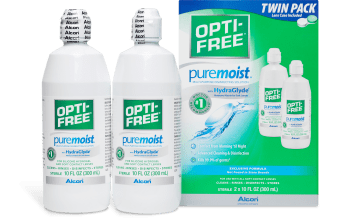
Order more right away. 1-800 Contacts delivers contact lens solution fast, including trusted brands like Opti-Free, the #1 doctor recommended contact lens solution.
-
Use sterile saline as a short-term rinse. Saline is only for rinsing, not disinfecting.
-
Avoid water completely. Tap water and distilled water can contain harmful microbes that put your eyes at risk.
What can you use instead of contact lens solution?
If you’re in a pinch:
-
Sterile saline solution: Safe for rinsing your lenses but not for disinfecting or storing them.
-
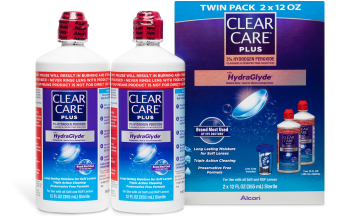
Hydrogen peroxide lens care systems: These clean and disinfect very effectively, but your lenses must go through the complete neutralization process before touching your eyes.
Remember, these are just temporary workarounds. For daily disinfecting and storage, always use a proper multi-purpose contact lens solution.
How long can contacts be out of solution?
Contacts dry out fast when left out of solution—often within a few hours. Once lenses dry out and become brittle, don’t try to rehydrate or reuse them; it’s safer to toss them and get a fresh pair.
Can you leave contacts in water overnight?
Never. Water, whether it’s from your tap or distilled, can introduce bacteria and microscopic organisms that may lead to serious eye infections. Always keep your lenses away from water including showers, swimming pools, and sinks.
What eye drops can I use for contact lenses?
Choose lubricating or rewetting drops labeled for contact lens use to relieve dryness. For allergies, pick antihistamine drops marked contact-safe. Avoid regular or medicated eye drops unless they specify they're safe for contacts, as they may irritate or damage your lenses. Always check packaging and follow instructions. If unsure, ask your eye care provider which drops are best for you.
What is the best eye drop to use?
The best eye drop depends on your needs:
-
Dry eyes? Look for lubricating or rewetting drops made for contact lens wearers.
-
Allergy relief? Choose antihistamine drops, but check that they’re contact-safe.
-
Wearing contacts? Always read the label to confirm the drops are safe for use with contact lenses.
See our guide to eye drops for contact wearers for more tips and recommendations.
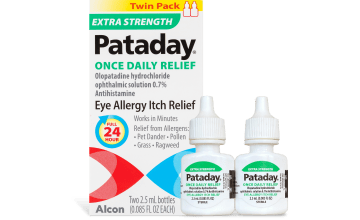
Pataday eye drops for allergies
Pataday eye drops, containing olopatadine, relieve allergy-related eye itching and redness for contact lens wearers. Use Pataday before inserting your contacts and wait at least 10–15 minutes after applying the drops to avoid any interaction. Always follow packaging directions or your eye care provider’s advice to ensure safety and comfort. The right allergy eye drops, like Pataday Once Daily Relief Extra Strength, can help keep your eyes comfortable and clear, especially if you have sensitive eyes or seasonal allergies.
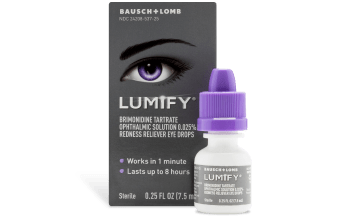
Can you use Lumify with contacts?
Yes, you can use Lumify if you wear contacts, but it’s important to use it correctly. Put Lumify drops in your eyes first, wait at least 10 minutes, and then insert your contacts. Avoid using Lumify while your lenses are in your eyes.
How much do Lumify eye drops cost?
Lumify usually ranges from $15 to $25, depending on the size of the bottle and where you buy it. For the most accurate and up-to-date pricing, check out our Lumify redness reliever eye drops.
Does it matter which contact lens solution you use?
Absolutely. Different solutions vary in their cleaning ingredients, disinfecting ability, and impact on comfort. For example, Opti-Free PureMoist is the #1 doctor recommended brand of contact lens solutions, known for its effective cleaning and comfort. The wrong solution can leave your lenses less clean or even irritate your eyes.
What eye drops cannot be used with contacts?
Not all eye drops are safe to use with contact lenses. Medicated drops and those not labeled for contacts can cause irritation, cloudiness, or even eye infections. Always choose drops marked as safe for contact lens wearers and check with your eye care provider if unsure. Reading labels and following instructions helps protect your eyes and keeps your lenses comfortable.
What are the best rewetting drops for contacts?
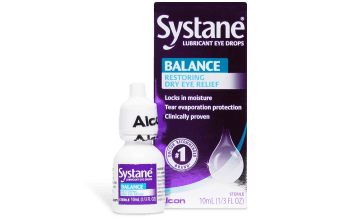
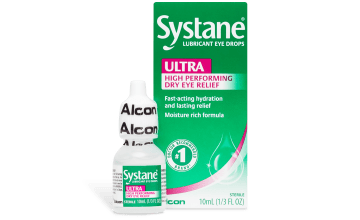
To find good rewetting drops for contacts, choose ones labeled “contact-safe” that are made for lens wearers. Popular brands like Systane are known for gentle hydration without leaving residue. If you have sensitive eyes or unique needs, your eye care provider can recommend the right drops for your lenses.
What's the difference between eye drops and rewetting drops?
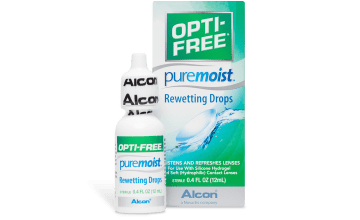
Eye drops and rewetting drops serve different needs, especially for contact lens wearers. Standard eye drops may relieve redness or allergies but often contain ingredients that can irritate contacts. Rewetting drops are made for contacts, restoring moisture and comfort without leaving residue. For dryness with contacts, choose drops labeled “rewetting” or “for contact lenses.” If unsure, ask your eye care provider for advice.
How often should I use rewetting drops for contacts?
How often you use rewetting drops depends on your eyes and environment. Some need them once or twice a day, while others use them more in dry or dusty spaces. Use drops whenever your eyes feel dry or uncomfortable, but don’t overuse them. Follow the label or your eye doctor’s advice. If you need drops constantly, ask your provider about your lenses or solution. Good lens care and contact-friendly products help keep your eyes comfortable.
Want the full breakdown? Check our guide on the best contact lens solution.
Your lenses need cleaning, your eyes need comfort, and choosing the right products makes all the difference. Shop trusted solutions and eye drops at 1-800 Contacts to keep your routine simple and your eyes happy.