Can you donate contact lenses?
Short answer? Yes, but only if they’re unopened and still living their best life. You can’t exactly toss used contact lenses in a donation bin and hope for the best (sorry, that half-used box in your bathroom drawer isn’t making the cut).
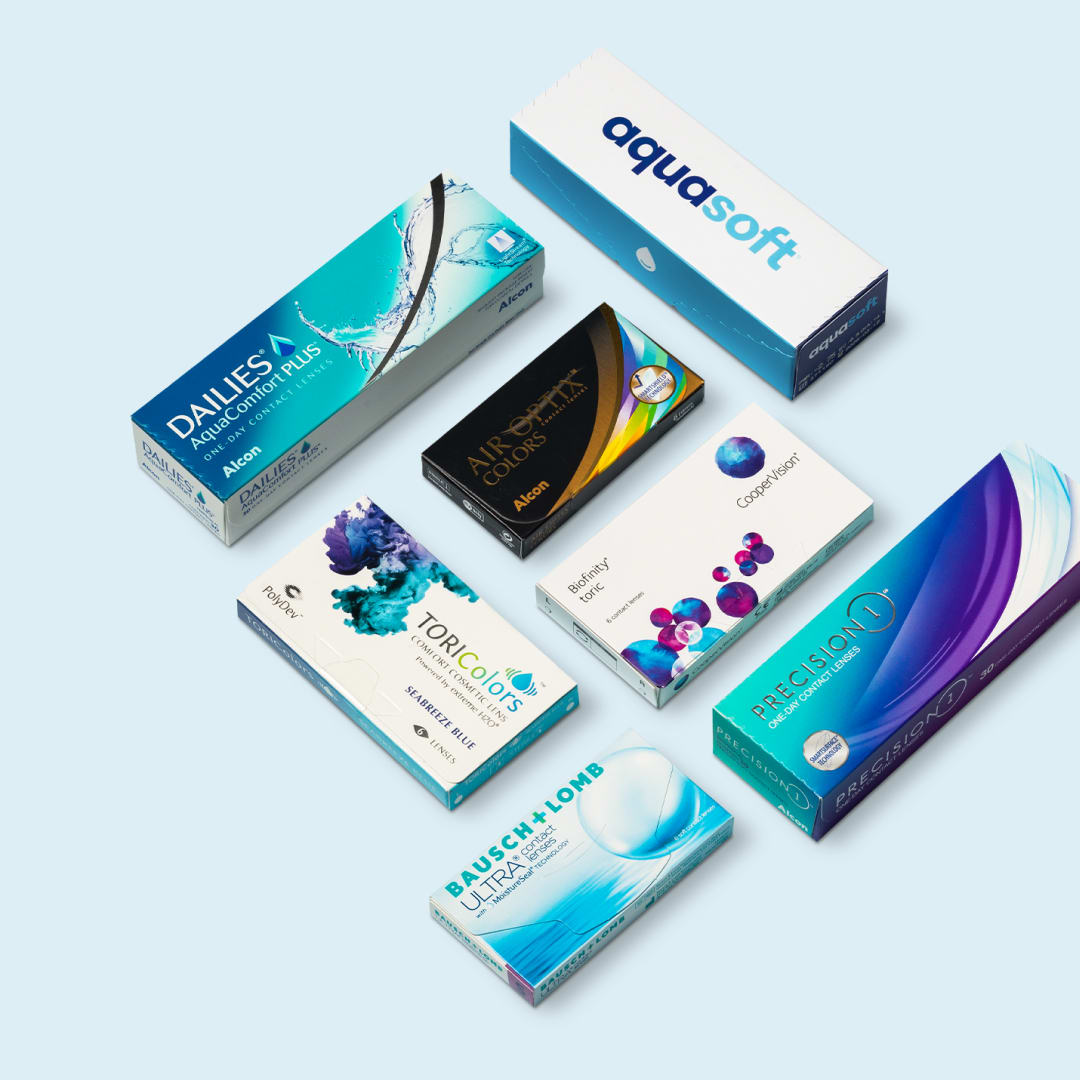
But there’s good news. If you’ve got unused, unopened contact lenses you no longer need — maybe your prescription changed or maybe you accidentally panic-ordered 12 boxes during a midnight online vision exam — you can donate them. And yes, people out there actually need them.
Let’s walk through the what, how, where, and the definitely-do-nots of contact lens donation, including which organizations will take them and how to prep your lenses like the do-gooder superhero you are.
You can donate contact lenses as long as:
-
They are completely unopened (yes, that means the individual blister packs, not just the cardboard box)
-
They are not expired (check the tiny date on the foil — you’ll find it)
-
The packaging is undamaged and still sealed
-
You’re donating soft lenses or daily disposables (more on that in a minute)
-
The brand and prescription are clearly marked
You can’t donate contacts that have been opened, tried on, or floating loose in a case. Hygiene is a huge concern, and most donation organizations will reject anything that isn’t pristine.
Does Goodwill accept unused contacts?
Nope — Goodwill doesn’t accept contact lenses, used or unused.
Even if you show up with a perfectly sealed box, Goodwill’s general donation policy excludes prescription medical items — contacts included. And while it sounds like the kind of thing that might vary by location, we checked and confirmed that it’s a consistent rule across the board.
(Also, let’s be honest — Goodwill’s not set up to handle something as precise and medical-adjacent as vision correction. Their strength is sweaters and mystery kitchen gadgets.)
So, where should you go to donate your contact lenses instead? We’ve got options.
Where is the best place to donate contact lenses?
Several national and international organizations happily accept unopened, unexpired contact lenses. They redistribute them to people in need — often in underserved communities or low-resource countries where access to eye care is limited.
You’ve got two main types of donation destinations:
-
Medical mission organizations that send vision care supplies to areas that need them
-
Community-based programs or shelters that work with local eye care professionals
Here are some legit, verified options for where to donate contacts:
DONATECONTACTS:
-
Teen-led nonprofit focused on reducing lens waste and helping kids
-
Donates contacts, solution, and cases to Feed The Children
-
Accepts both opened and unopened lenses (must be unexpired)
-
Get in touch with DONATECONTACTS first, then send donations to 6409 Congress Ave, Ste 100, Boca Raton, FL 33487
Your local eye care professional:
-
Many optometrists participate in local outreach programs and will collect lenses on behalf of organizations.
-
Just call and ask!
Homeless shelters and clinics:
-
Some shelters work with local health providers to supply free eye care.
-
Again, this varies by city — but it’s a great option if you want your donation to stay local.
For more ways to help your eyeballs and the environment, check out how you can help the environment as a contact lens wearer — yes, you can be eco and extra kind.
Order Contact Lenses Online
Learn how to order contact lenses online at 1-800 Contacts
Order contacts
How to donate contacts
So, you’ve got lenses you don’t need, and you’re feeling altruistic (or just tired of seeing that stack of unused boxes mocking you every time you open the drawer). Here's how to donate them, step-by-step:
-
Double-check the boxes: Are they unopened? Unexpired? Still sealed in their original packaging? If not, it’s game over (at least for donation — more on recycling later).
-
Look for a match: Use the list above to find a local or national organization that accepts contact lenses.
-
Call first (yes, really): Policies change. Programs end. Shelters may have limited space. A quick call or email saves time and makes sure your donation is actually useful.
-
Pack them like you mean it: Don’t just toss the boxes in a bag like you’re dropping off old T-shirts. Use a padded envelope or small box, include your name and a short note if needed, and send them off to their new home. (Yes, even lenses deserve a gentle journey.)
-
Track, recycle, or rest easy: If you're mailing them, consider tracking. If they’re rejected, look into local recycling options. Or if everything goes smoothly, pat yourself on the back — you’re part of the vision solution.
So ... what if you can’t donate them?
First, don’t flush them (contact lenses do not belong in your plumbing — your pipes may rebel). Instead, recycle them through specialty programs, such as:
Bausch + Lomb’s ONE by ONE Recycling Program:
-
Recycles contact lenses and packaging
-
Accepts lenses, blister packs, foil, and top caps from any brand
-
Drop off at participating eye care practices nationwide
Lions Clubs International:
-
One of the best-known vision-focused charities on the planet
-
Most local chapters accept contact lenses along with glasses
MADRE:
-
International human rights org that helps women and families globally
-
Accepts medical supplies, possibly contact lenses, for use in crisis zones
-
Get in touch with MADRE to see if you can send your contacts
Other options:
-
Ask your eye care professional about local recycling options
Basically, even if your lenses aren’t donation-ready, they don’t have to go straight to landfill purgatory. Here’s how to be a more eco-friendly contact lens wearer.
Don't let your unused lenses go to waste
You wouldn’t throw away brand-new shoes that don’t fit, right? (Okay, maybe once. But only under extreme emotional duress.) Unopened contact lenses are the same. Perfectly good, totally useful — and in high demand by organizations that can give them a second life.
Your extra boxes could help someone see clearly, apply for jobs, read to their kid, or just not squint through daily life. That’s a pretty great reason to let them go.
Just check the packaging, make a quick call, and ship ‘em out. Your eyes have moved on — let those lenses do the same.
FAQs
Does donating contacts count as a tax deduction?
Possibly — but only if you donate to a registered 501(c)(3) organization and get a receipt. Always check with a tax pro (or the IRS website) if you're planning to deduct.
Can you donate colored or specialty contacts?
Some programs accept non-prescription colored lenses, but prescription color lenses can be tricky. Always check with the donation site first — many will only take standard clear lenses.
What about trial lenses?
Unfortunately, no — even if they’re sealed. Trial lenses are often marked with different packaging or labeling and can’t be redistributed for safety reasons.
Can I donate my old contact cases?
Nope. Even if you only used them once. Used cases are considered personal hygiene items and can’t be donated. (Recyclable? Maybe. Reusable? Not in this case.)