



Toric Contacts for Astigmatism
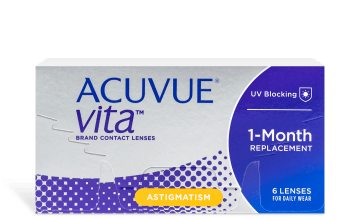
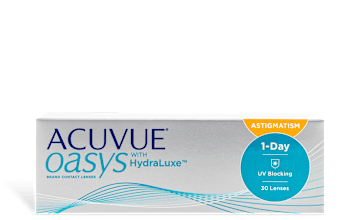
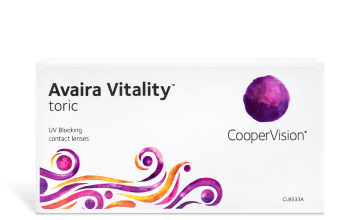
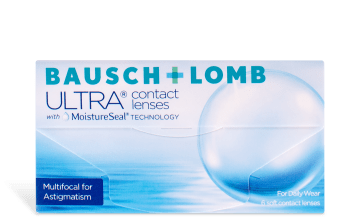
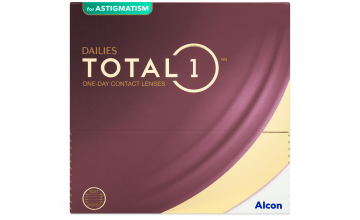
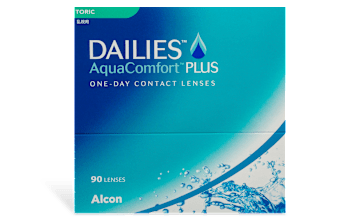
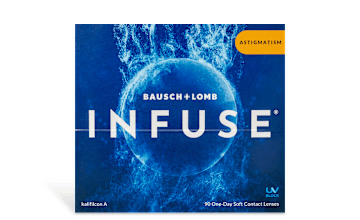
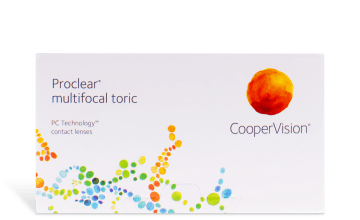
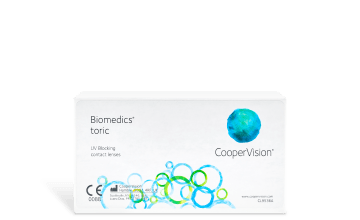
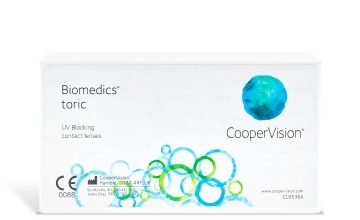
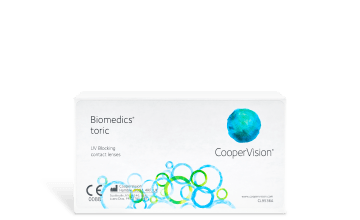
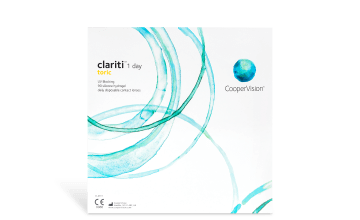
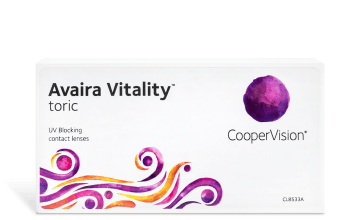
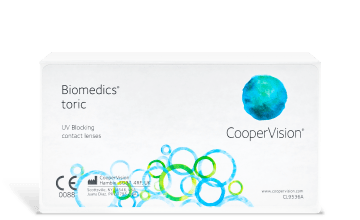
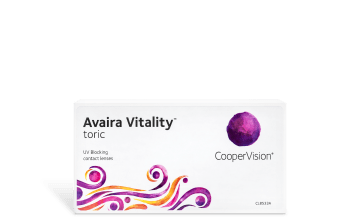
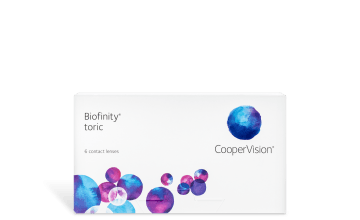
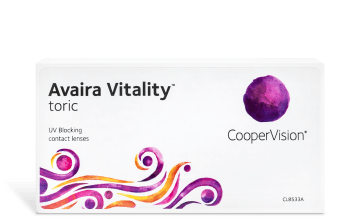
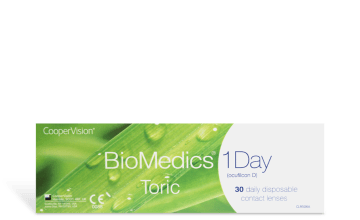
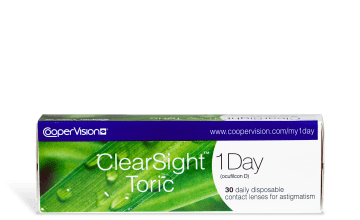
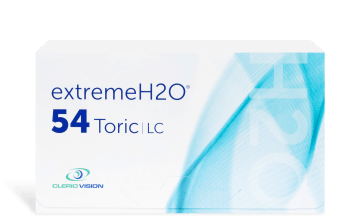
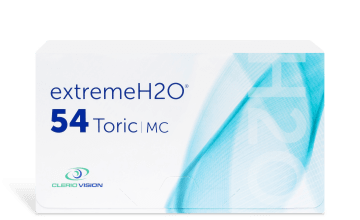
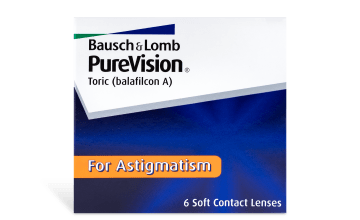
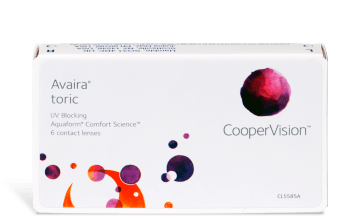
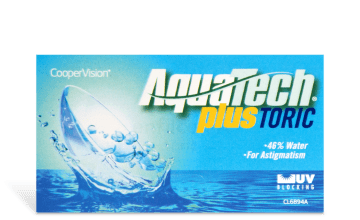
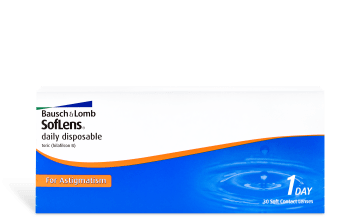
The easiest way to save on contact lenses®
A complete guide to toric contact lenses for astigmatism
If you’ve ever been told you have astigmatism during an eye exam, you might have wondered if you are stuck wearing glasses forever. For a long time, people with astigmatism had limited options for contact lenses. Fortunately, times have changed. Today, toric contact lenses for astigmatism offer incredible comfort, stability, and clear vision, giving you the freedom to ditch the frames whenever you want.
Whether you are looking into contacts for the first time, thinking about switching brands, or simply trying to understand your prescription, navigating the world of toric lenses can feel a bit overwhelming. We are here to help break down exactly what toric contact lenses are, how they work, and how to find the perfect fit for your lifestyle and budget.
What exactly is astigmatism?
To understand how toric lenses work, it helps to know what astigmatism actually is. In a perfect eye, the cornea (the clear front surface) is perfectly round, like a basketball. Light passes through it and focuses clearly on the back of the eye.
If you have astigmatism, your cornea is shaped more like a football—slightly elongated or oval. Because of this irregular shape, light bends unevenly as it enters your eye. This creates multiple focal points instead of just one, which leads to blurry or distorted vision at all distances. You might also experience eye strain, headaches, or trouble seeing clearly at night. Astigmatism is incredibly common and frequently goes hand in hand with nearsightedness or farsightedness.
What are toric contact lenses?
A toric contact lens is specifically designed to correct the refractive errors caused by astigmatism. Standard contact lenses are “spherical,” meaning they have the same focusing power throughout the entire lens. It doesn’t matter if a standard lens spins while you blink; your vision stays the same.
Toric lenses are entirely different. Because an eye with astigmatism requires different levels of vision correction across different areas, a toric lens has different powers across its meridians. For these lenses to work properly and correct your astigmatism, they have to sit in a very specific position on your eye and stay put.
How do toric lenses stay in place?
You blink roughly 15,000 times a day, and every blink interacts with your contact lens. So, how does a lens with specific powers stay perfectly aligned? Manufacturers design toric contacts with unique stabilization features.
Some lenses are slightly weighted or thicker at the bottom, using gravity to keep the lens from rotating. Others feature thin zones at the top and bottom, which use the natural pressure of your eyelids when you blink to lock the lens into the correct position. If you’ve ever put a toric lens in and noticed your vision was blurry for a few seconds before suddenly snapping into focus, you were experiencing the lens rotating into its proper alignment.
Are toric contact lenses right for you?
You might be asking yourself: Can I wear contacts if I have astigmatism? For the vast majority of people, the answer is a yes. Modern soft toric lenses are available in a massive range of prescriptions and materials.
Many people wonder if it’s really worth getting contact lenses for astigmatism, especially if their astigmatism is relatively mild. While your eye doctor might say you can get away with standard spherical lenses if your astigmatism is very low, upgrading to a toric lens often provides noticeably sharper, crisper vision. If you find yourself squinting even when wearing your standard contacts, a toric option might be exactly what you need.
What are the disadvantages of a toric lens?
While toric contacts are fantastic, there are a few downsides to keep in mind when comparing them to standard lenses.
First, fitting toric lenses can take a bit more time. Your eye doctor has to measure the exact orientation (the axis) of your astigmatism, and it sometimes takes trying on a few different brands to find the stabilization method that works best with your specific eyelid shape and blinking pattern.
Second, even the best toric lenses can sometimes shift out of place temporarily. If you lie down, rub your eye, or engage in rigorous physical activity, the lens might rotate, causing blurry vision for a moment until you blink a few times to realign it.
Finally, toric lenses are more complex to manufacture, which generally makes them more expensive than standard spherical lenses.
How much do toric lenses for astigmatism cost?
The cost of toric contact lenses varies widely depending on the brand, the material, and how often you replace them. Daily disposable toric lenses tend to be the most expensive option upfront, while monthly lenses are typically more budget-friendly.
When you are factoring in costs, remember that buying an annual supply often unlocks significant manufacturer rebates and bulk discounts that bring the overall price down. Also, while vision insurance usually covers a portion of your contact lens exam and provides an allowance for materials, it typically won’t cover the full cost of premium daily toric lenses, leaving you to pay the difference out of pocket.
Exploring your toric contact lens options
Finding the best contact lens for astigmatism depends heavily on your daily habits, your comfort needs, and your specific prescription. Here is a look at the different categories available to you.
Daily disposable toric lenses
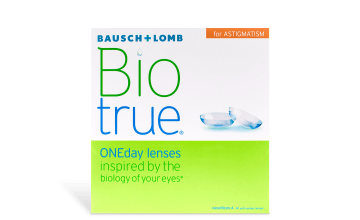
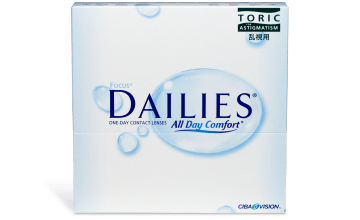
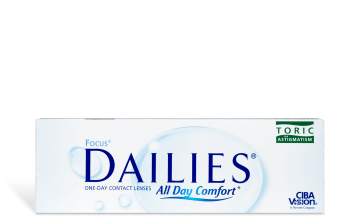
Daily disposable lenses offer the ultimate convenience and hygiene. You put a fresh pair in every morning and throw them away at night. There’s no cleaning routine and no need to buy contact lens solution. Dailies are fantastic for people with dry eyes, allergies, or those who only want to wear contacts occasionally for sports or social events.
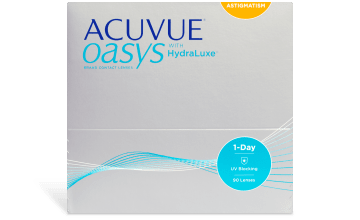
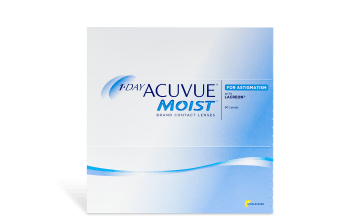
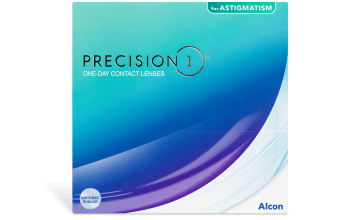
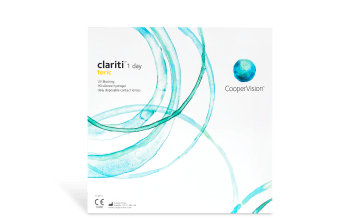
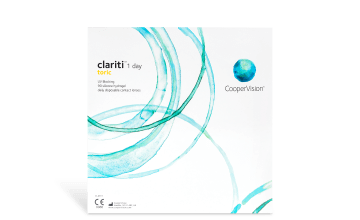
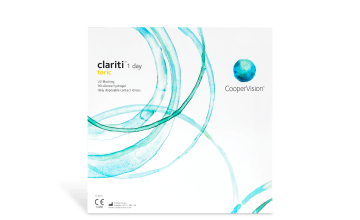
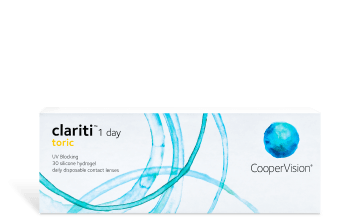
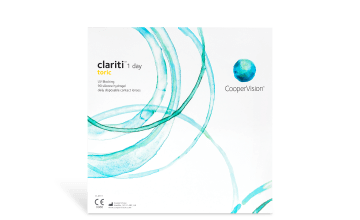
Popular daily options include MyDay, Precision1, and 1-Day Acuvue Oasys. These lenses feature highly breathable silicone hydrogel materials and advanced moisture technologies to keep your eyes comfortable all day. Clariti 1 Day is another excellent option that offers the health benefits of silicone hydrogel at a very accessible price point.
Bi-weekly and monthly toric lenses
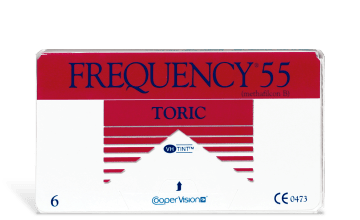
If you wear your contacts every single day and want a more cost-effective option, monthly or bi-weekly lenses are a great choice. You wear these lenses during the day, take them out to clean and store them in solution overnight, and replace them after two or four weeks.
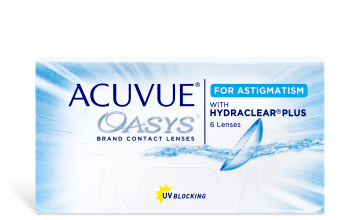
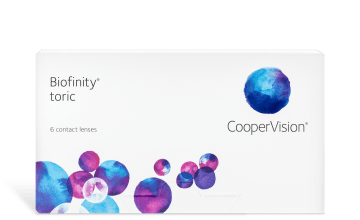
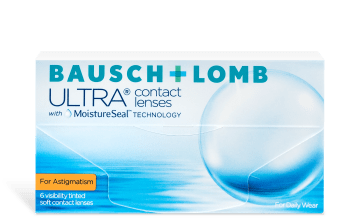
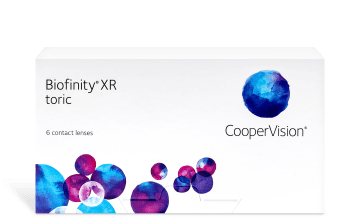
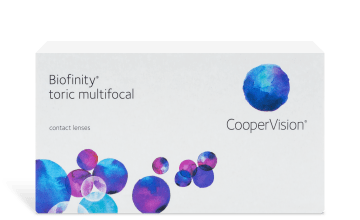
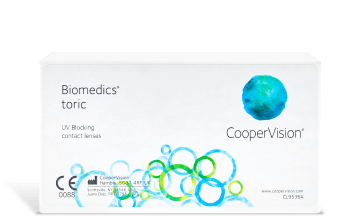
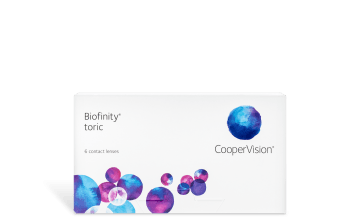
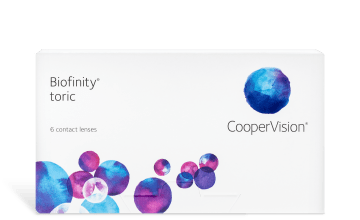
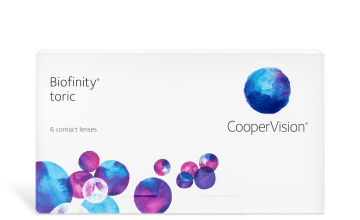
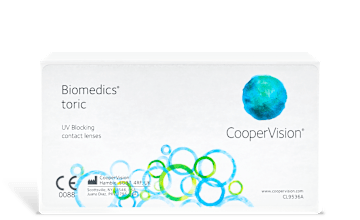
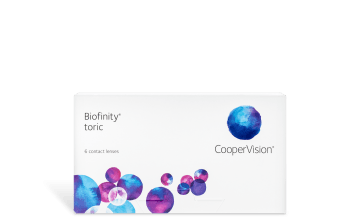
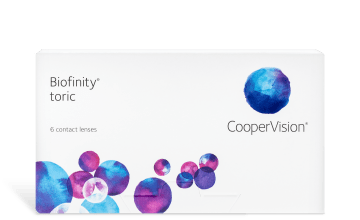
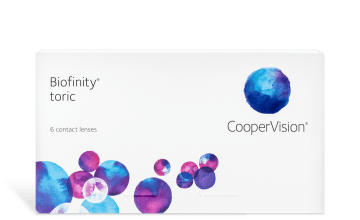
Biofinity Toric is a massive favorite in the monthly category, known for its exceptional stability and high oxygen permeability. Bausch & Lomb Ultra is another top-tier monthly lens that uses moisture-retaining technology, making it ideal for those who spend long hours staring at digital screens. Acuvue Oasys for Astigmatism is a leading bi-weekly option that features an eyelid-stabilized design that works well for active wearers.
Multifocal toric lenses
If you have astigmatism and are also experiencing presbyopia (the natural difficulty focusing on close-up objects that happens as we age), you don’t have to settle for reading glasses. Multifocal toric lenses are designed to correct your astigmatism while providing clear vision at near, intermediate, and far distances.
Tips for comfort and clear vision
Getting the most out of your toric contact lenses requires a little bit of care, especially if you wear reusable lenses.
Choose the right contact lens solution
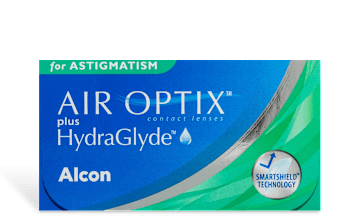
If you wear monthly or bi-weekly soft lenses, your cleaning routine directly impacts your comfort. Always use the solution recommended by your eye doctor. Multi-purpose solutions like Biotrue or Opti-Free PureMoist (which features the HydraGlyde moisture matrix) are formulated to clean, disinfect, and condition your lenses. Never use water or saliva on your lenses, as this can introduce dangerous bacteria to your eye.
Managing dry eyes with contacts
If you experience dry eyes, toric lenses can sometimes feel a bit noticeable. To combat this, ask your doctor about switching to a highly breathable silicone hydrogel daily disposable lens. You can also use contact-lens-approved rewetting drops throughout the day to keep your eyes lubricated. Taking screen breaks to ensure you blink fully and frequently will also help keep your lenses stable and hydrated.
Finding your perfect fit
If you’re ready to experience the freedom of clear, glasses-free vision, the first step is scheduling an eye exam with your eye doctor. Because toric lenses require specific measurements for power, cylinder, and axis, you need an up-to-date contact lens prescription specifically written for a toric brand.
Once you have your prescription, you can easily compare prices, explore different brands, and order your exact lenses online. Whether you choose the high-performance comfort of a premium daily lens or the reliable value of a monthly option, today's toric contact lenses ensure that having an astigmatism no longer holds you back from experiencing exceptional, all-day clear vision.