



Soft Contact Lenses
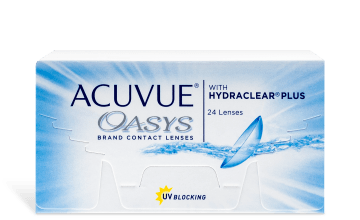
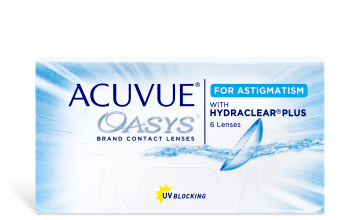
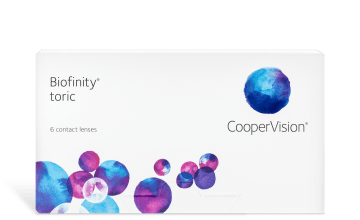
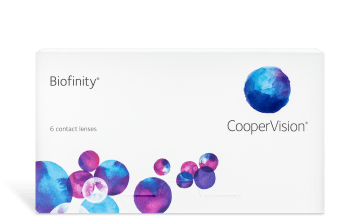
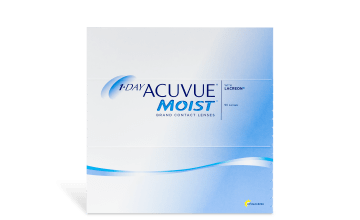
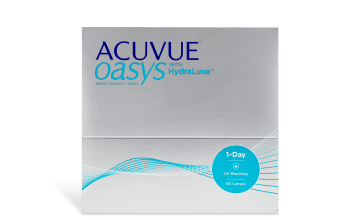
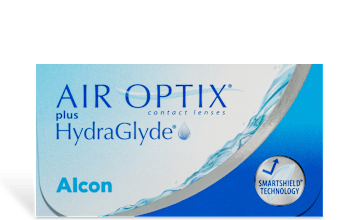
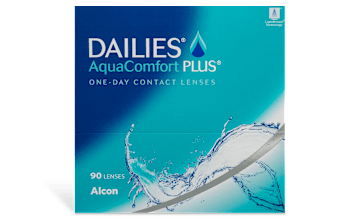
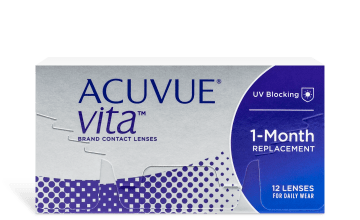
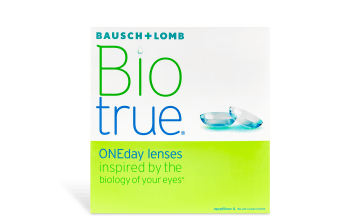

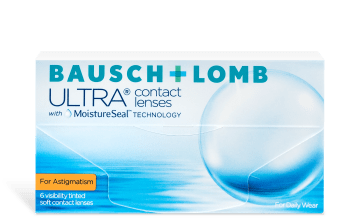
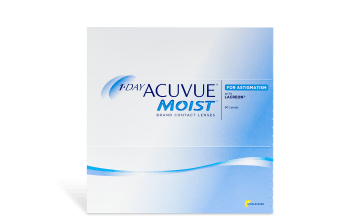
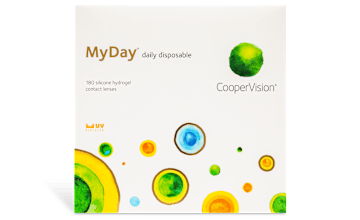
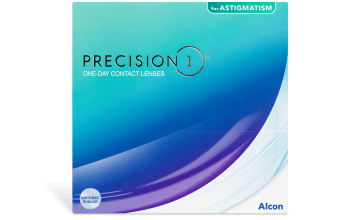
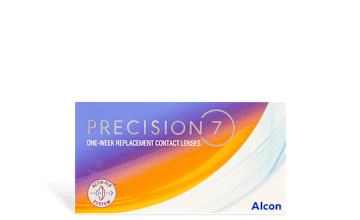
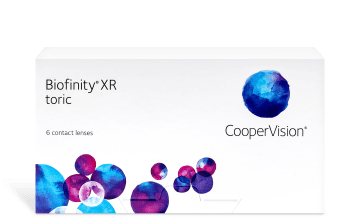
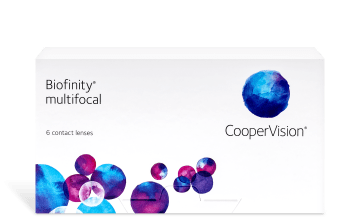
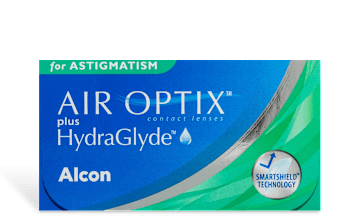
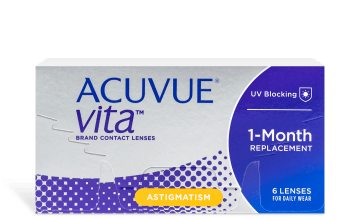
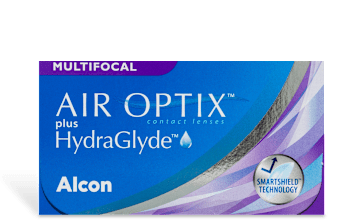
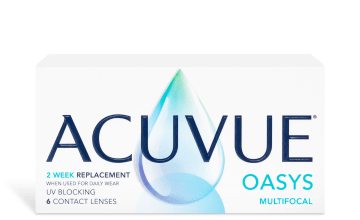
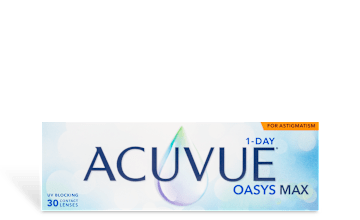
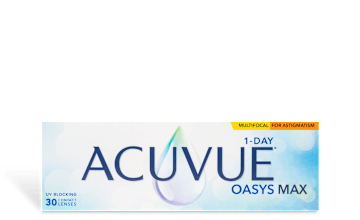
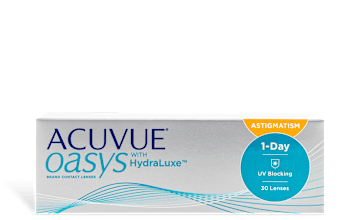
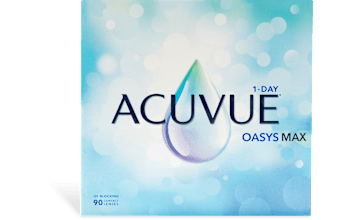
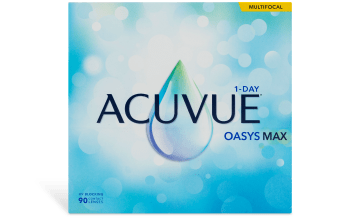

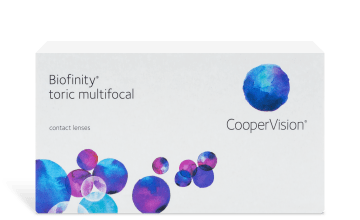

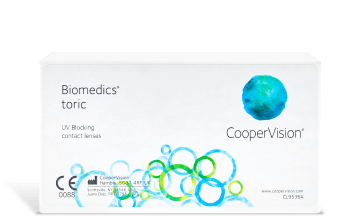


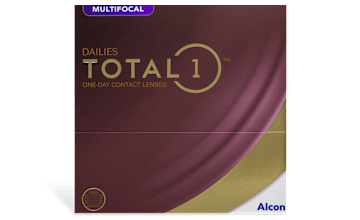
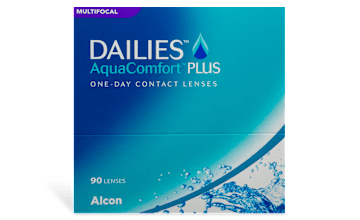
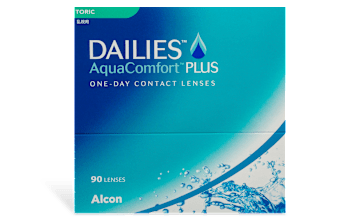
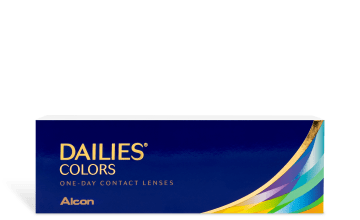




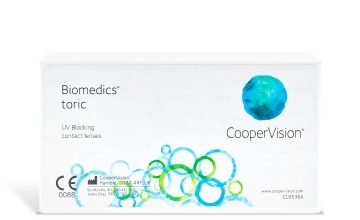
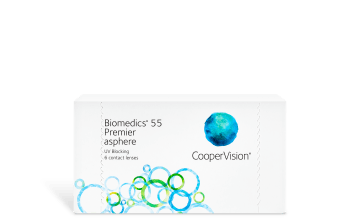
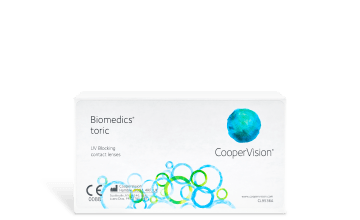
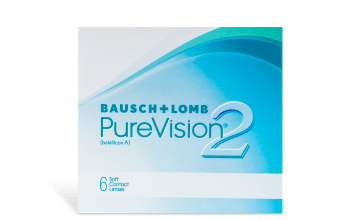





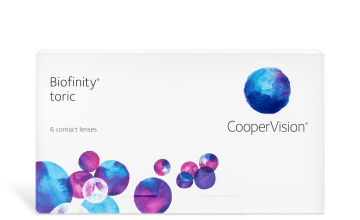
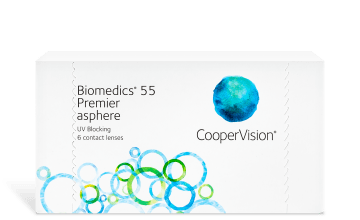
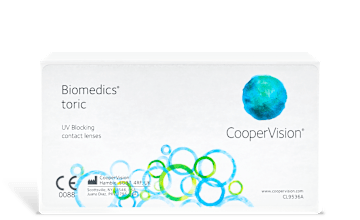


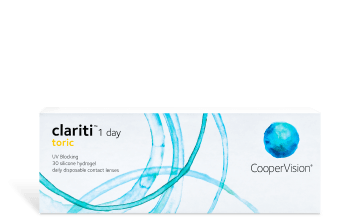
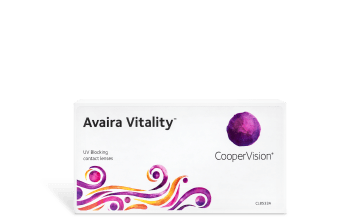
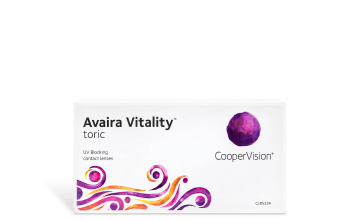
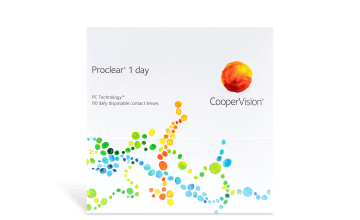
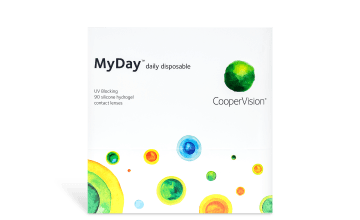

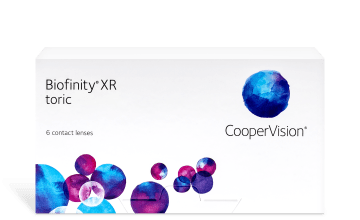



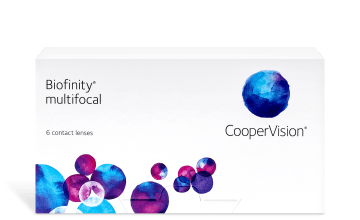
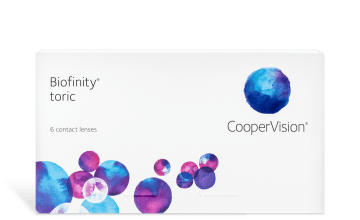
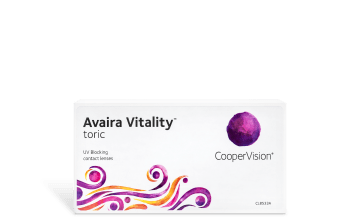
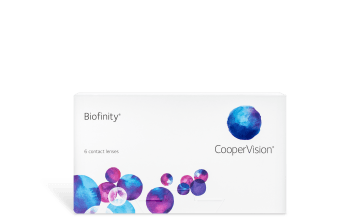
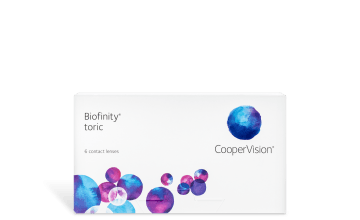
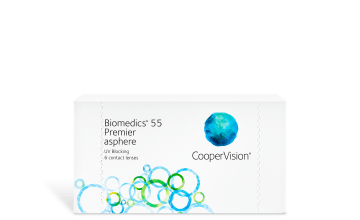
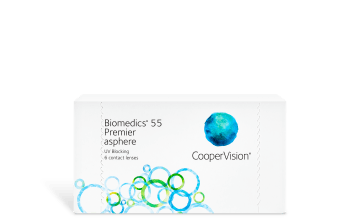

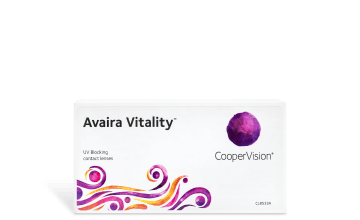
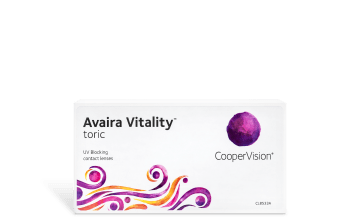
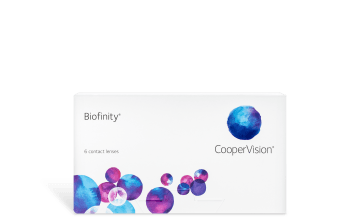
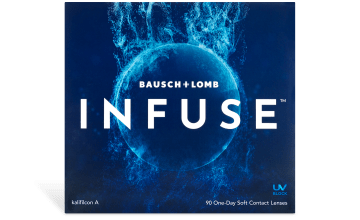
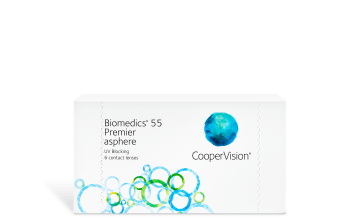
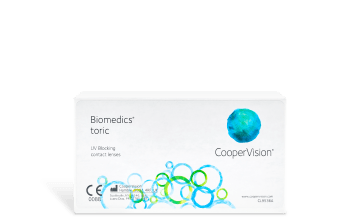
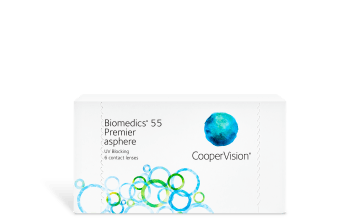




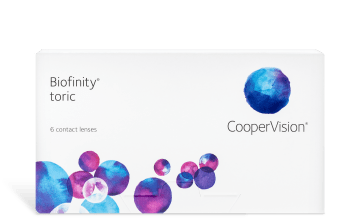
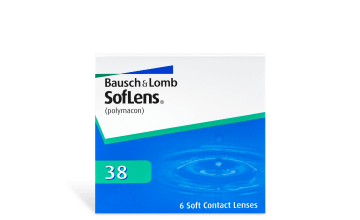
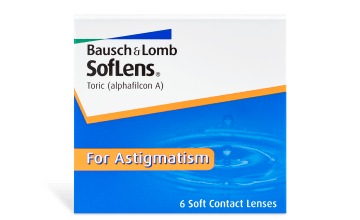
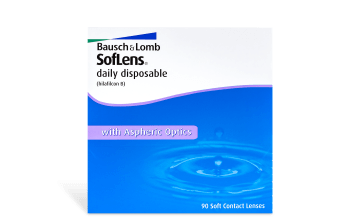
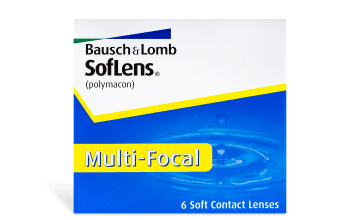
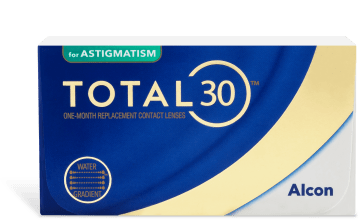
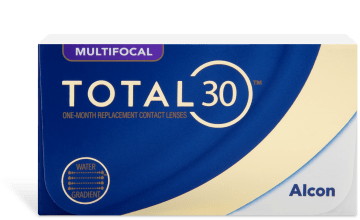
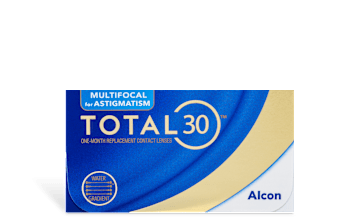
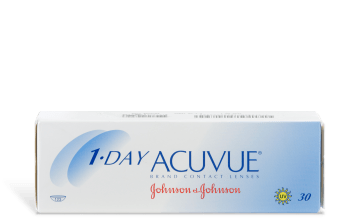
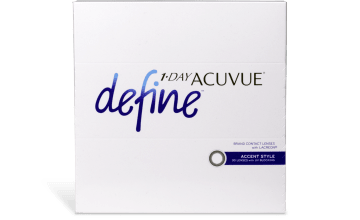
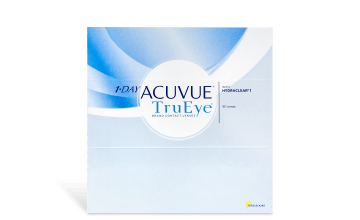
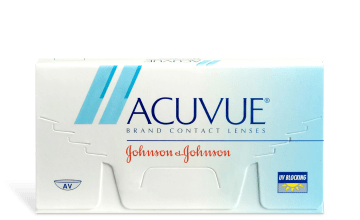
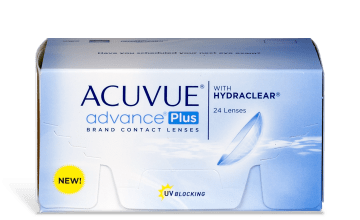
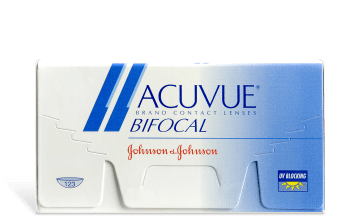
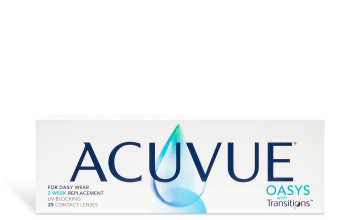
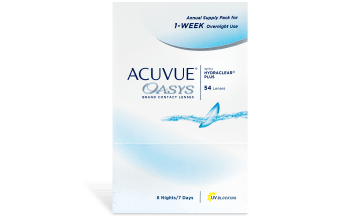
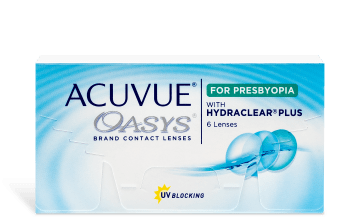
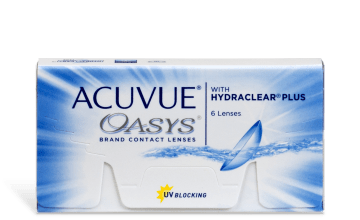
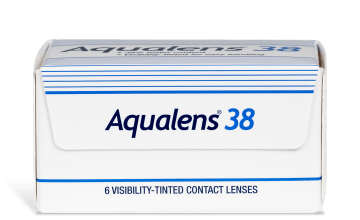
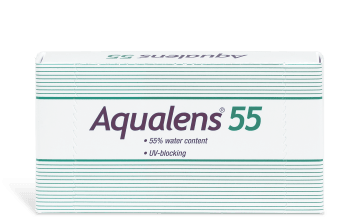
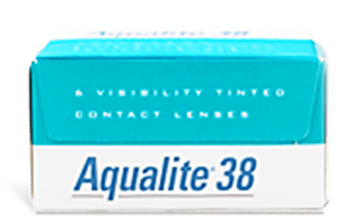
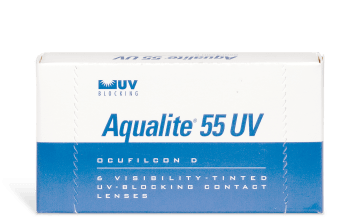
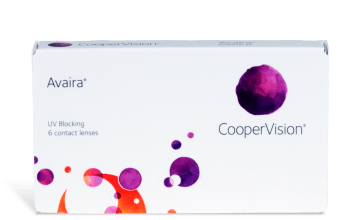
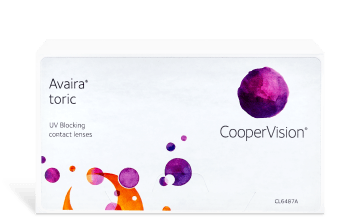
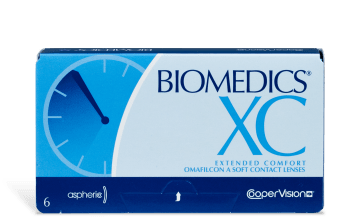
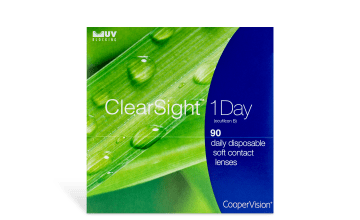
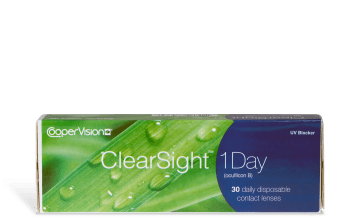
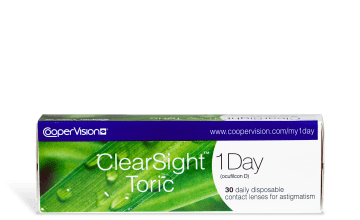


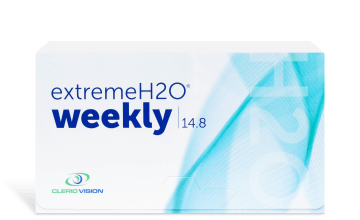
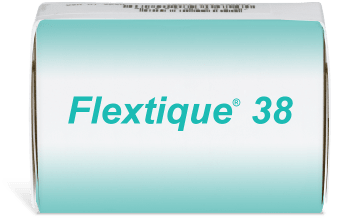
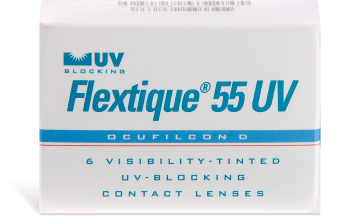
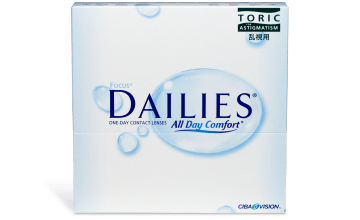
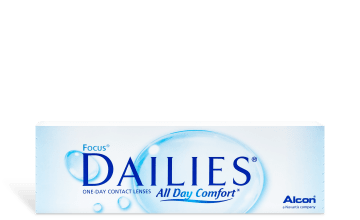
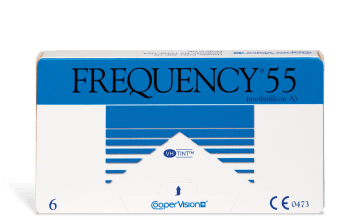
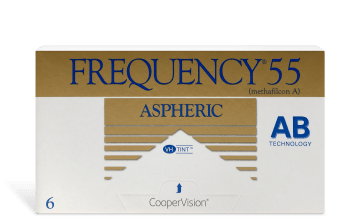
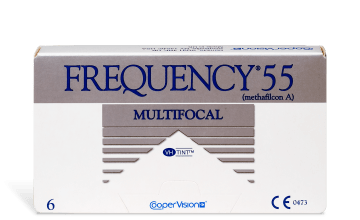
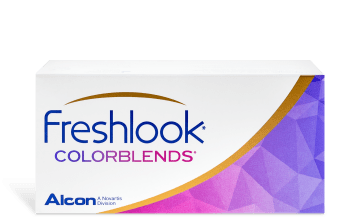
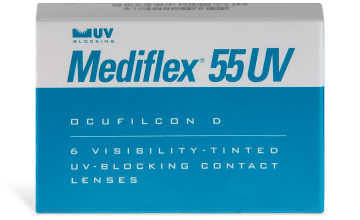
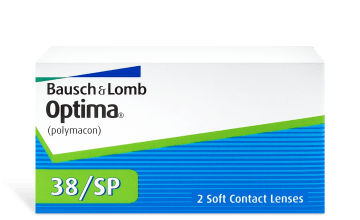

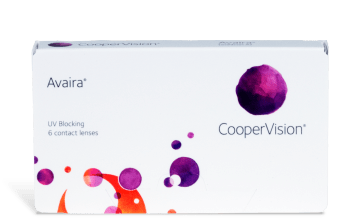
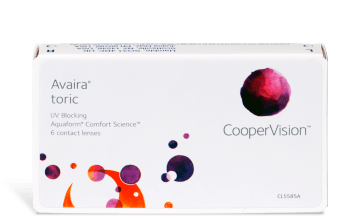
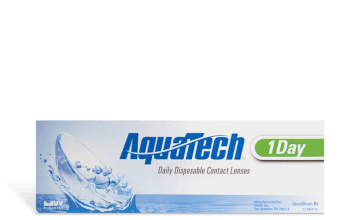
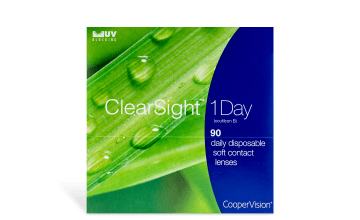
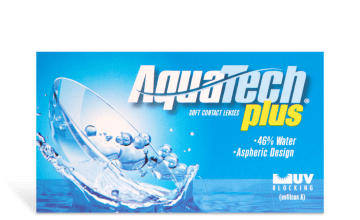
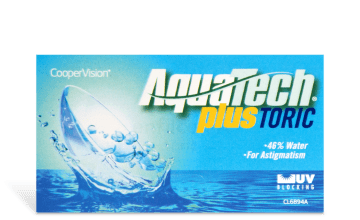
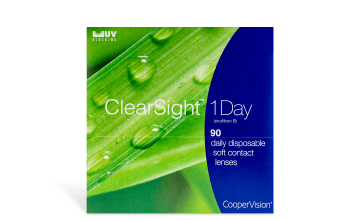
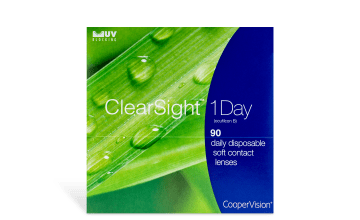
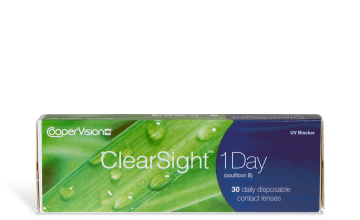
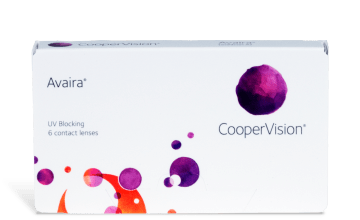
The easiest way to save on contact lenses®
Your guide to soft contact lenses
If you are thinking about making the switch from glasses to contacts, or simply looking to update your current prescription, you are in the right place. Soft contact lenses are the most popular choice for vision correction today, and for good reason. They are incredibly comfortable, easy to adapt to, and come in a wide variety of replacement schedules and prescription types.
Whether you are a first-time wearer or someone looking to easily reorder your favorite brand, understanding the different types of soft lenses can help you make an informed decision for your eye health and lifestyle. We are here to walk you through everything you need to know about finding, wearing, and caring for your soft contacts.
What exactly are soft contact lenses?
Soft contact lenses are made from flexible, water-absorbent plastics known as hydrogel or silicone hydrogel. Unlike older lens styles, these advanced materials are designed to be highly breathable. They allow a healthy amount of oxygen to pass directly through the lens to your cornea.
This oxygen flow is essential for maintaining good eye health and keeping your eyes comfortable throughout the day. Because the material is so flexible, a soft contact lens instantly conforms to the unique shape of your eye. This means the adjustment period for new wearers is usually very short, and you will often forget you are even wearing them after just a few minutes.
Exploring your soft lens options
When you look at soft lenses, you will find a few different categories based on how often you replace them and what type of vision correction you need.
Disposable and planned replacement lenses
Most soft contacts worn today fall into the disposable category. These are designed to be worn for a specific amount of time before you throw them away and open a fresh pair.
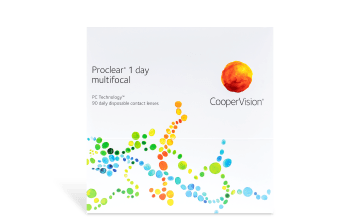
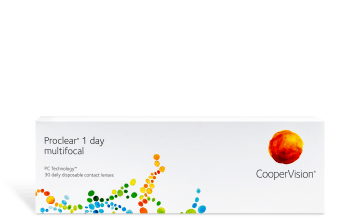
- Daily contact lenses: These are single-use lenses that you put in every morning and toss out every night. They are highly convenient because they require absolutely no cleaning or maintenance.
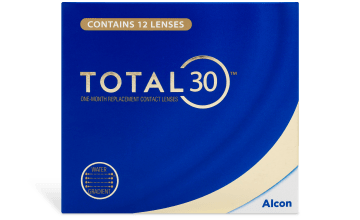
- Bi-weekly and monthly contacts: These lenses are worn daily but removed at night for cleaning and storage. You will replace a bi-weekly lens every 14 days and a monthly lens every 30 days. These are often a great middle ground for everyday wearers looking for a cost-effective option.
Non disposable contact lenses
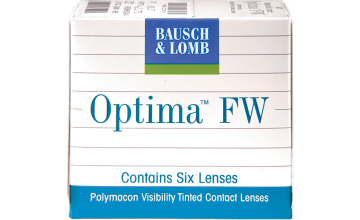
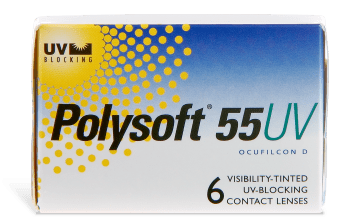
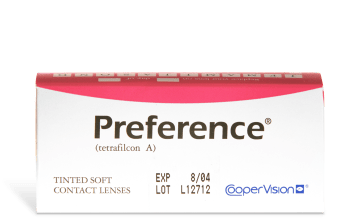
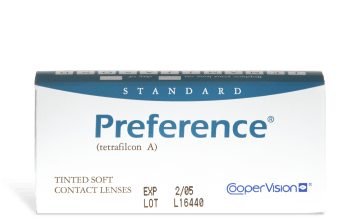
You might be wondering if they still make non-disposable contact lenses. Yes, they do. Also known as conventional or traditional soft lenses, non disposable contact lenses are designed to be worn for much longer periods, often six months to a year, before being replaced. While disposable lenses have largely taken over the market due to convenience and hygiene benefits, non-disposable options are sometimes still prescribed for highly customized fits or very specific vision correction needs.
Specialty soft contacts
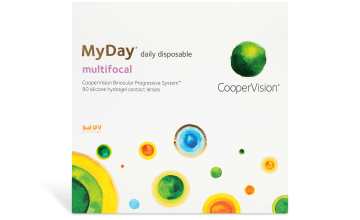
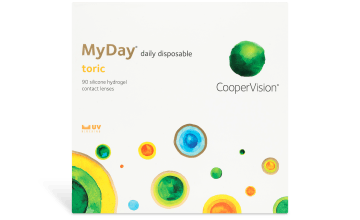
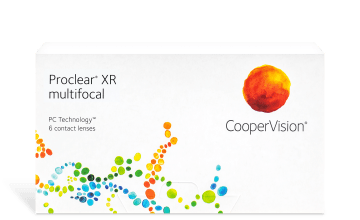
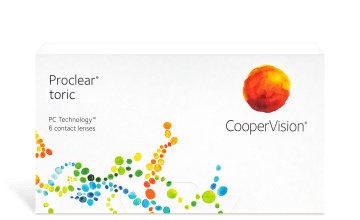
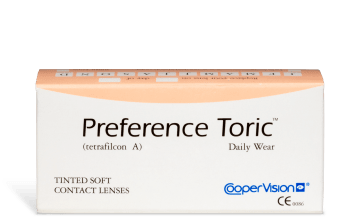
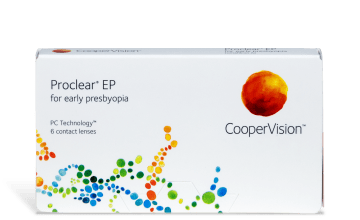
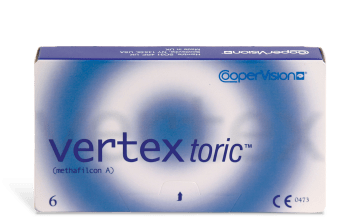
Soft lenses are not just for basic nearsightedness or farsightedness. If you have astigmatism, toric soft lenses are specially weighted to stay stable on your eye and provide clear vision. If you need help seeing both up close and far away, multifocal contacts offer a seamless transition between different focal lengths, much like progressive glasses.
Soft lenses vs. hard contact lenses
When researching your options, you might see comparisons between soft lenses and rigid gas-permeable (RGP) lenses, commonly referred to as hard contact lenses. Which is better? It ultimately depends on your eyes.
Hard contact lenses hold their shape on the eye. They are highly durable, resistant to protein deposits, and often provide slightly sharper, crisper vision, especially for people with complex prescriptions or conditions like keratoconus. However, they can take several weeks to get used to, and they can easily dislodge during rigorous physical activity.
Soft contacts, on the other hand, offer immediate comfort. They are ideal for sports and active lifestyles because they stay securely in place. While they might attract more buildup over time than hard lenses, sticking to a proper cleaning routine keeps them clear and comfortable.
Caring for your reusable soft lenses
If you wear bi-weekly, monthly, or non disposable contact lenses, establishing a good care routine is the best way to protect your vision.
Whenever you remove your lenses, you should clean them with a high-quality, FDA-approved contact lens solution. Gently rubbing the lens in the palm of your hand with a few drops of solution helps remove protein deposits, makeup, and environmental debris that build up during the day.
Always store your soft contacts in a clean lens case filled with fresh solution—never top off old solution. Keeping your lenses and your case clean is the single most effective way to prevent eye infections and ensure your contacts stay comfortable from the first day of wear to the last.
Reading your prescription and ordering online
Buying your soft contact lenses online is a simple and straightforward process, provided you have a current prescription from your eye doctor. Keep in mind that a contact lens prescription is different from a glasses prescription.
Your eye care provider will include specific measurements like the base curve, which determines how the lens fits the curvature of your eye, and the diameter. They will also specify the exact brand and material that fits you best. Because contacts sit directly on your cornea, it is important to stick to the specific brand your doctor prescribed to ensure a safe, healthy fit.
When you are ready to order, simply match the numbers on your prescription box for your right eye and left eye to the options on the product page. With regular eye exams and the right care routine, soft contact lenses can provide years of comfortable, clear vision.