


Contact Lenses
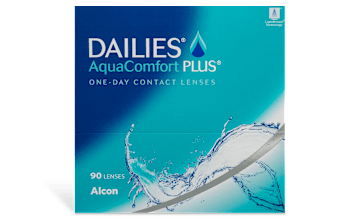
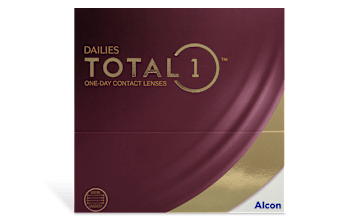
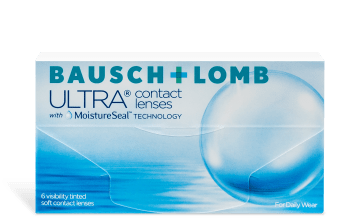
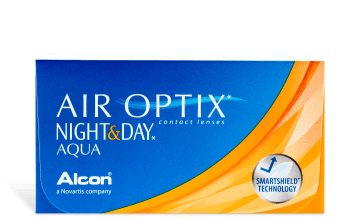
The easiest way to save on contact lenses®
Your guide to buying contact lenses online
Welcome to the world of clear vision without the frames. If you are looking to order contact lenses online, we know the process can sometimes feel a bit overwhelming. Between deciphering your prescription, figuring out the right replacement schedule, and choosing the right box from a sea of options, there is a lot to consider. But getting your contacts delivered right to your door is one of the easiest ways to keep your eyes healthy and your vision sharp.
Before you add anything to your cart, the most important step is having a valid, up-to-date prescription from your eye doctor. Your annual eye exam does more than just figure out your power; it measures the specific curve and width of your eye to ensure a proper fit. Wearing poorly fitted contact lenses can lead to discomfort, dry eyes, or even serious eye infections. That’s why your first step should always be a visit with your eye doctor, who will determine the right prescription and fit for your eyes. Once you have your prescription and know which brand and type work best for you, you're ready to take the next step in purchasing your contacts conveniently online. We make it easy to search for your prescribed lenses, securely verify your prescription, and have your contacts shipped right to your door.
Choosing the right replacement schedule
Contact lenses come in a few different wear schedules, and the right one for you depends entirely on your lifestyle, prescription, and what your eye doctor recommends. Understanding these schedules is key to maintaining good eye health and getting the most out of your contact lens wear.
Daily disposable lenses
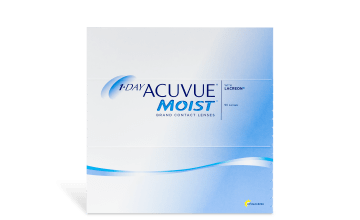
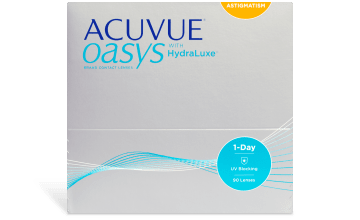
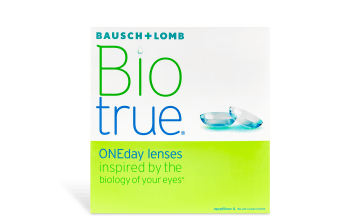
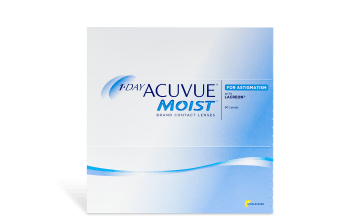
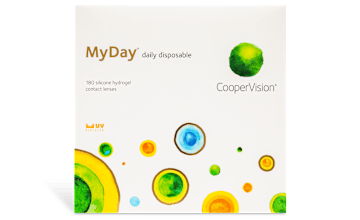
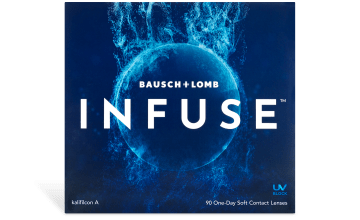
Daily disposable contacts, often just called dailies, are designed to be worn for a single day and tossed out before you go to sleep. Brands like 1-Day Acuvue Moist, BioTrue ONEday, and Dailies TOTAL1 fall into this category. These are incredibly convenient because they completely eliminate the need for contact lens solution and overnight cleaning routines. Dailies are also considered one of the healthiest options for your eyes since you start with a fresh, sterile lens every morning. This significantly reduces the daily buildup of proteins, lipids, and environmental allergens that can cause late-day irritation.
Bi-weekly and monthly lenses
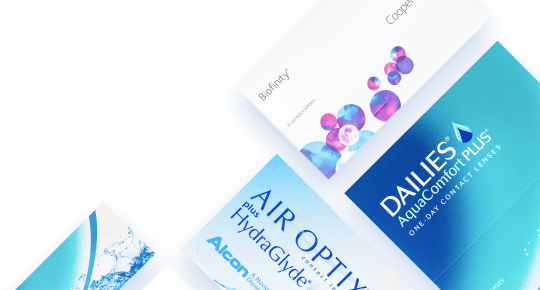
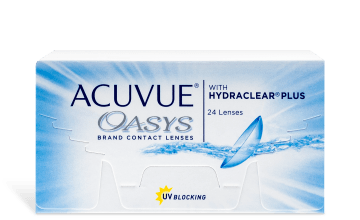
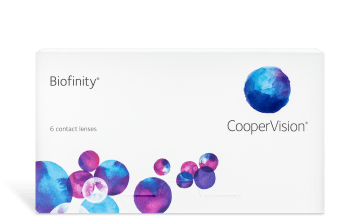
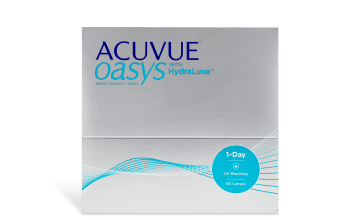
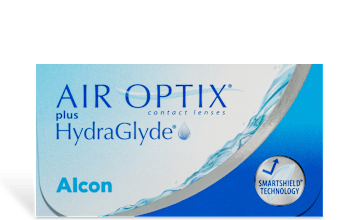
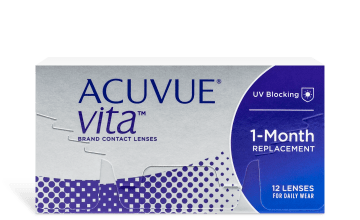
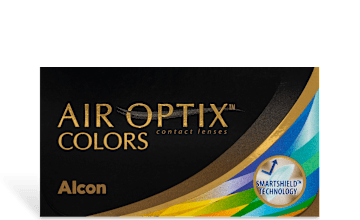
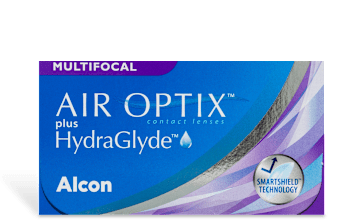
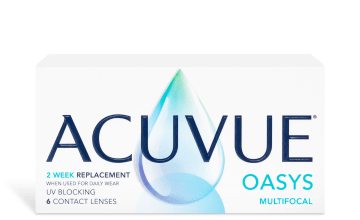
If you prefer a reusable option, bi-weekly and monthly lenses are very popular choices. Soft lenses like Acuvue Oasys, Air Optix, or Biofinity are designed to be worn during the day, removed at night, cleaned, and stored in fresh solution. After two weeks or one month depending on the specific lens type, you replace them with a fresh pair. These tend to be a more cost-effective choice for everyday wearers, provided you are diligent and consistent about your nightly cleaning routine.
Extended-wear lenses
Some contact lenses are approved by the FDA for extended-wear, meaning you can sleep in them for a certain number of nights in a row. These are usually made from highly breathable materials that let a substantial amount of oxygen reach your cornea even while your eyes are closed. However, sleeping in contacts does carry a higher risk of eye infections, so you should only wear them overnight if your eye doctor specifically approves it for your eyes.
Finding the best contact lenses for specific vision needs
People often ask us, "what are the best contact lenses?" The truth is, the best contact lens is simply the one your eye doctor prescribes for your unique eye shape and vision requirements. Soft contact lenses have advanced dramatically over the years, making it possible to correct almost any vision issue comfortably. Many of today's top contact lens brands utilize silicone hydrogel materials. This advanced material offers high oxygen permeability, meaning it allows more oxygen to pass through the lens directly to your eye. Better airflow helps keep your eyes white and comfortable, especially if you spend long hours looking at digital screens.
Lenses for astigmatism
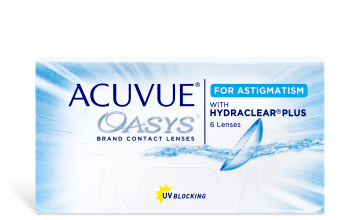
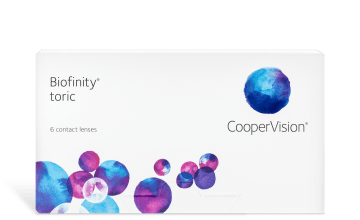
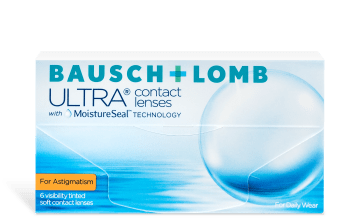
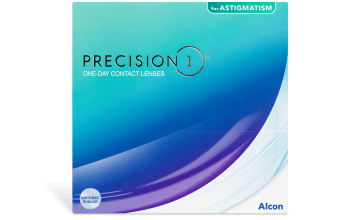
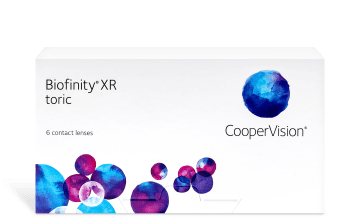
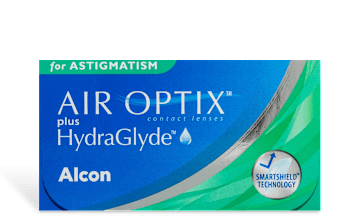
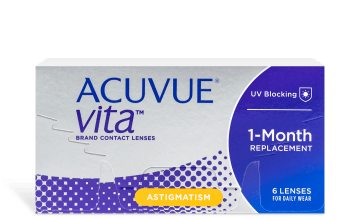
If you have astigmatism, standard spherical lenses will not stay in the right position to give you consistently clear vision. Instead, you need toric lenses. Toric contact lenses are specially designed to remain stable and resist rotating on your eye. They are weighted or shaped in a way that aligns with your astigmatism, so your vision stays crisp whether you are reading a book, working on a computer, or playing sports.
Lenses for myopia
If you have high myopia (a stronger nearsighted prescription), there are several contact lens options designed to help you see clearly and stay comfortable. You’ll find many soft contact lenses available in high minus powers, including daily disposables and monthly lenses from leading brands. It's important to choose lenses that match your prescription range and fit your eyes properly, so working with your eye care provider is key. For very high prescriptions, some brands offer specialty or custom lenses to provide sharp vision and a more personalized fit.
Lenses for presbyopia
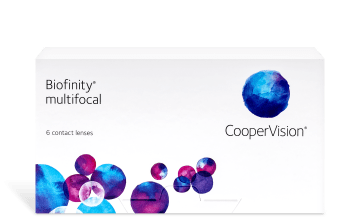
As we get older, focusing on up-close objects naturally becomes more difficult, a condition known as presbyopia. Multifocal contact lenses solve this by blending multiple prescriptions into a single lens. This allows your eye to seamlessly adjust and focus on objects at a distance, intermediate ranges, and up close, often entirely eliminating the need for reading glasses.
How much are contact lenses?
When budgeting for your vision care, you naturally want to know how much contact lenses cost. The price varies widely depending on your prescription complexity, the brand your doctor selects, and your chosen replacement schedule.
For a standard prescription, daily disposable lenses typically range from $50 to $85 per month. While dailies have a higher upfront cost, remember that you will save money because you do not need to buy contact lens solution or cases throughout the year. On the other hand, monthly lenses usually run between $22 and $30 per month, making them an excellent budget-friendly alternative for consistent, daily wearers.
Specialty lenses, such as toric lenses for astigmatism or multifocal lenses, require more complex manufacturing and naturally sit at a slightly higher price point. If you have vision insurance, you can often apply your in-network or out-of-network benefits to offset these costs significantly. Buying an annual supply all at once is usually the most economical route. Buying in bulk means fewer shipments to track, and you can often qualify for free shipping alongside manufacturer rebates.
Are contact lenses cheaper than glasses?
Whether contact lenses or glasses are less expensive depends on your prescription, lens type, and how often you replace them. Glasses usually have a higher upfront cost, while contact lenses have ongoing costs for replacements and solution. Over a year, lenses can sometimes add up to more than glasses, especially if you wear dailies or specialty lenses.
Essential tips for healthy contact lens wear
Proper contact lens care keeps your eyes healthy and comfortable. If you wear monthly or bi-weekly lenses, always wash your hands with mild, unscented soap and dry them with a lint-free towel before handling your contacts. Never clean or store lenses in any kind of water, as it can cause serious infections. Use only fresh, recommended contact lens solution, and gently clean your lenses each night before storing them. Replace your lens case every three months.
Finally, always stick to your recommended replacement schedule. Stretching a two-week lens into a three-week lens reduces oxygen flow, invites uncomfortable protein buildup, and drastically increases your risk of complications. Whether you are transitioning to contact lenses for the first time, exploring the convenience of daily lenses, or just restocking your go-to brand, we are here to help make the process smooth and straightforward. With the right care and an up-to-date prescription, ordering your contact lenses online is a simple step toward clear, comfortable vision.